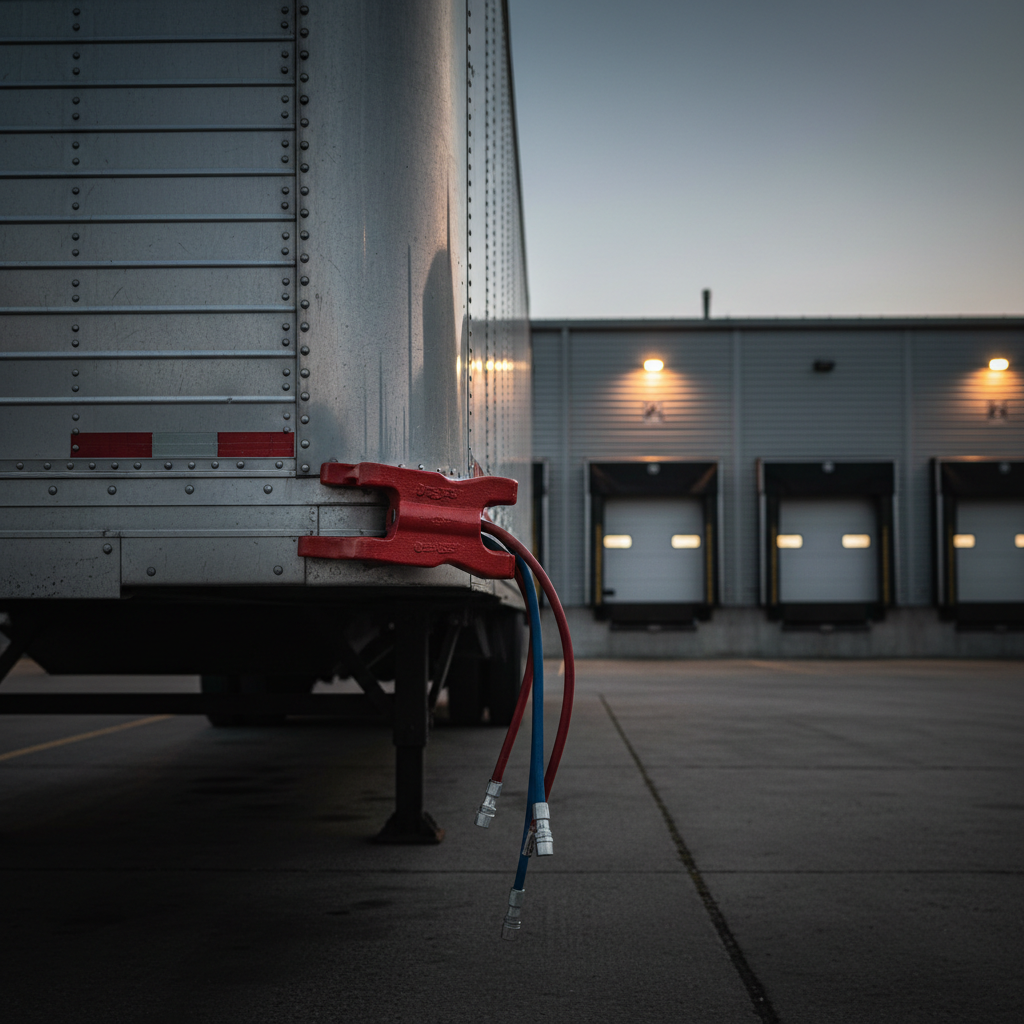
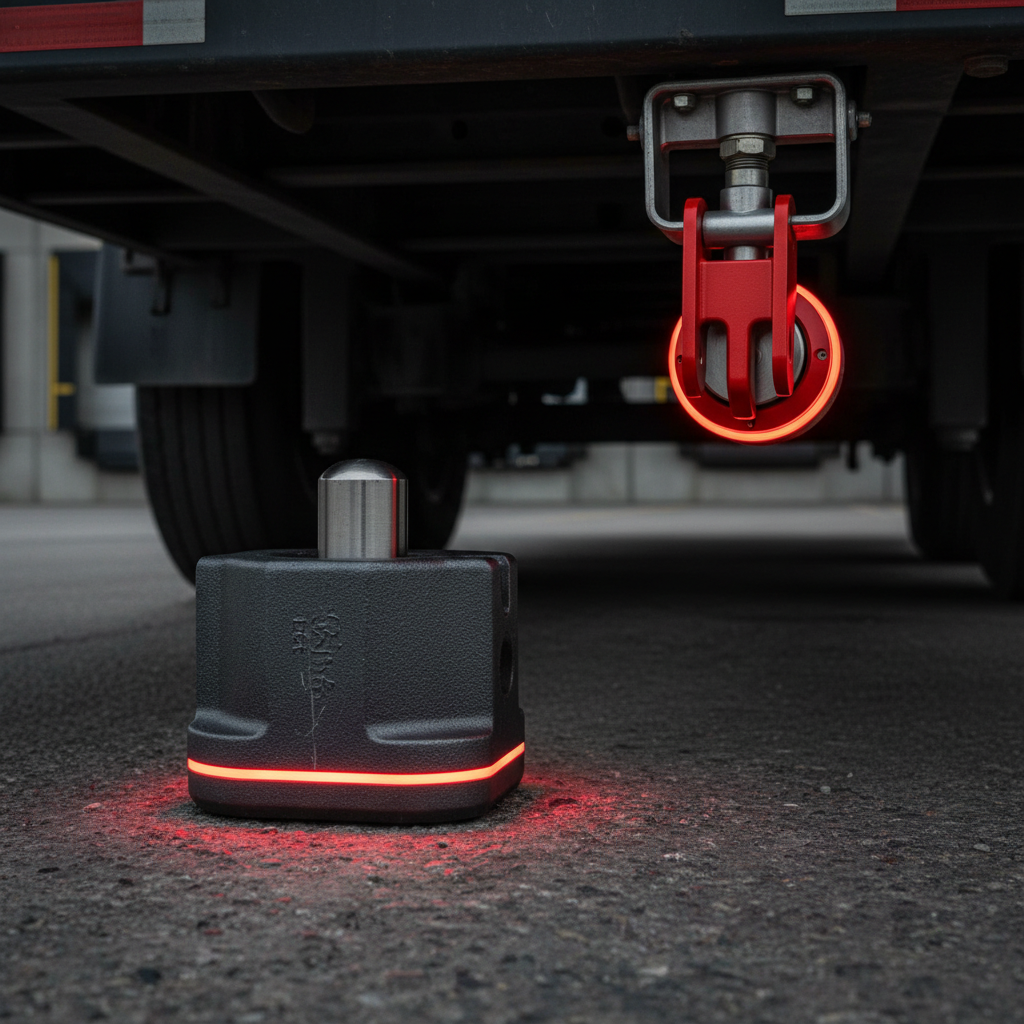
Heavy-duty glad hand locks for loading docks, drop yards, intermodal terminals and carrier fleets. One lock over the emergency air coupler keeps the spring brakes set, so no trailer moves until the keyholder says so.
No air to the trailer means the spring brakes cannot release.
Seconds
To fit or remove at the nose of the trailer.
Keyed
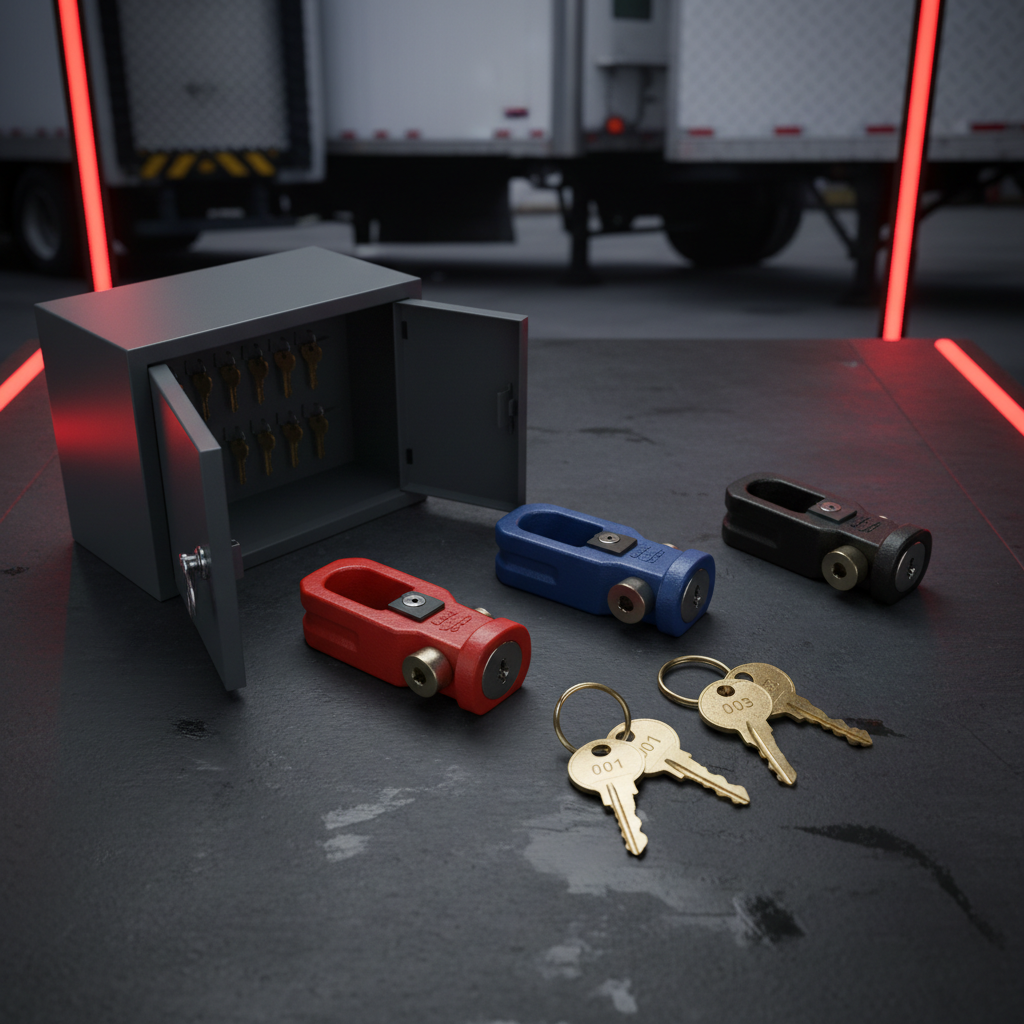
Alike for docks, different for loads, mastered for fleets.
The fundamentals
How a glad hand lock keeps a trailer in place
A trailer's brakes fail safe. When the tractor disconnects, air pressure drains away and powerful springs apply the brakes. To move the trailer, a tractor has to connect to the emergency gladhand and charge the system with air.
A glad hand lock takes that option away. With the coupler covered and locked, there is nowhere to connect a hose, so the brakes stay on. It is a small device that controls a very large, very heavy object.
The gladhand coupler
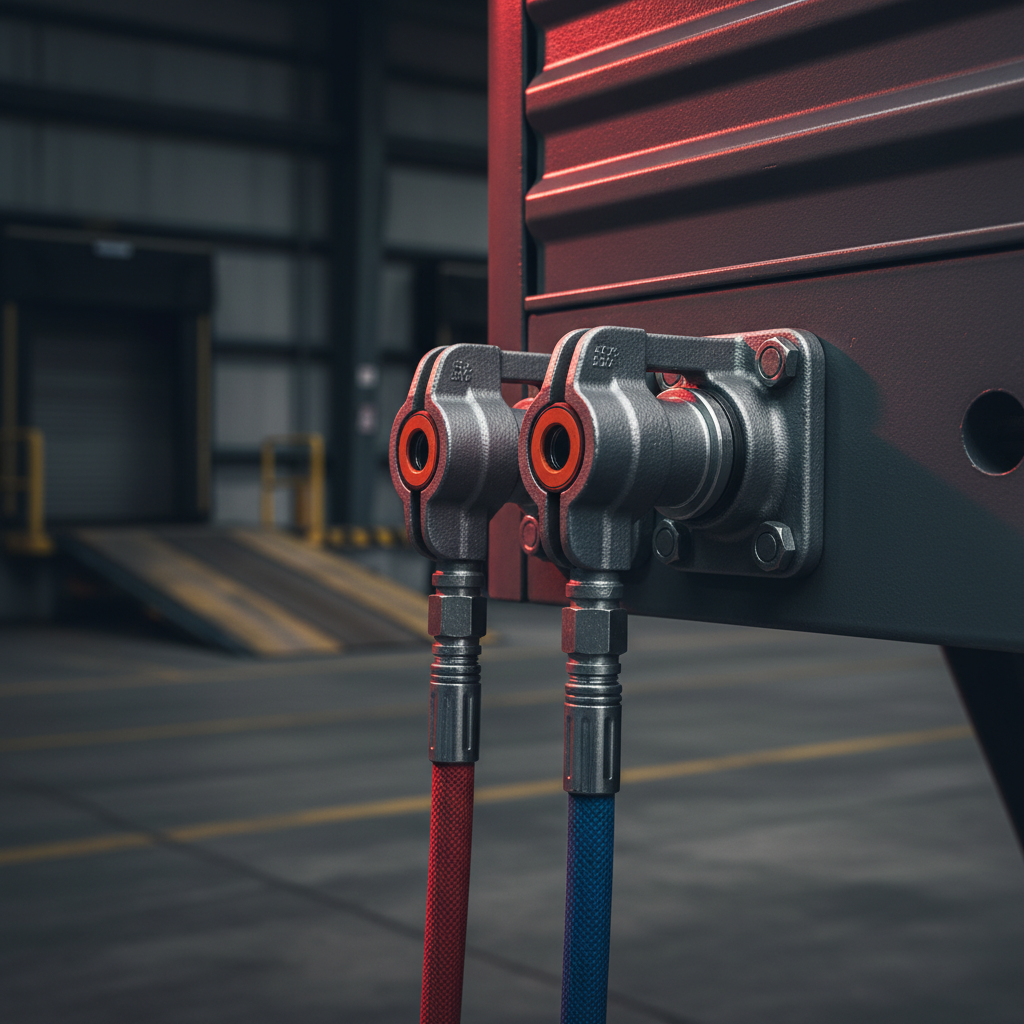
Every semi-trailer carries two air couplers on its nose: the emergency (supply) line, usually red, and the service (control) line, usually blue. The tractor's air hoses twist onto these gladhands to charge the trailer's brake system.
Spring brakes
A parked, disconnected trailer sits on its spring brakes. They stay applied until air pressure from the emergency line pushes them off. No air, no release.
The lock body
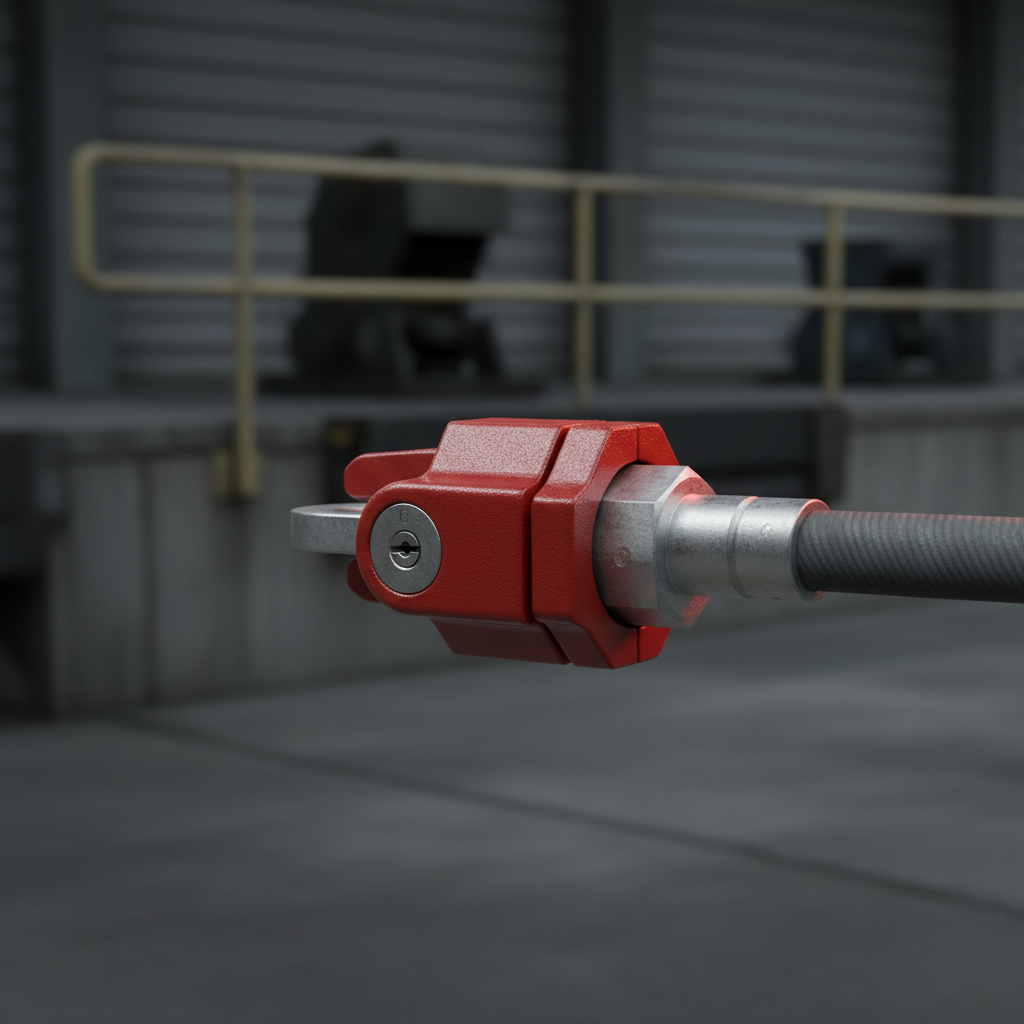
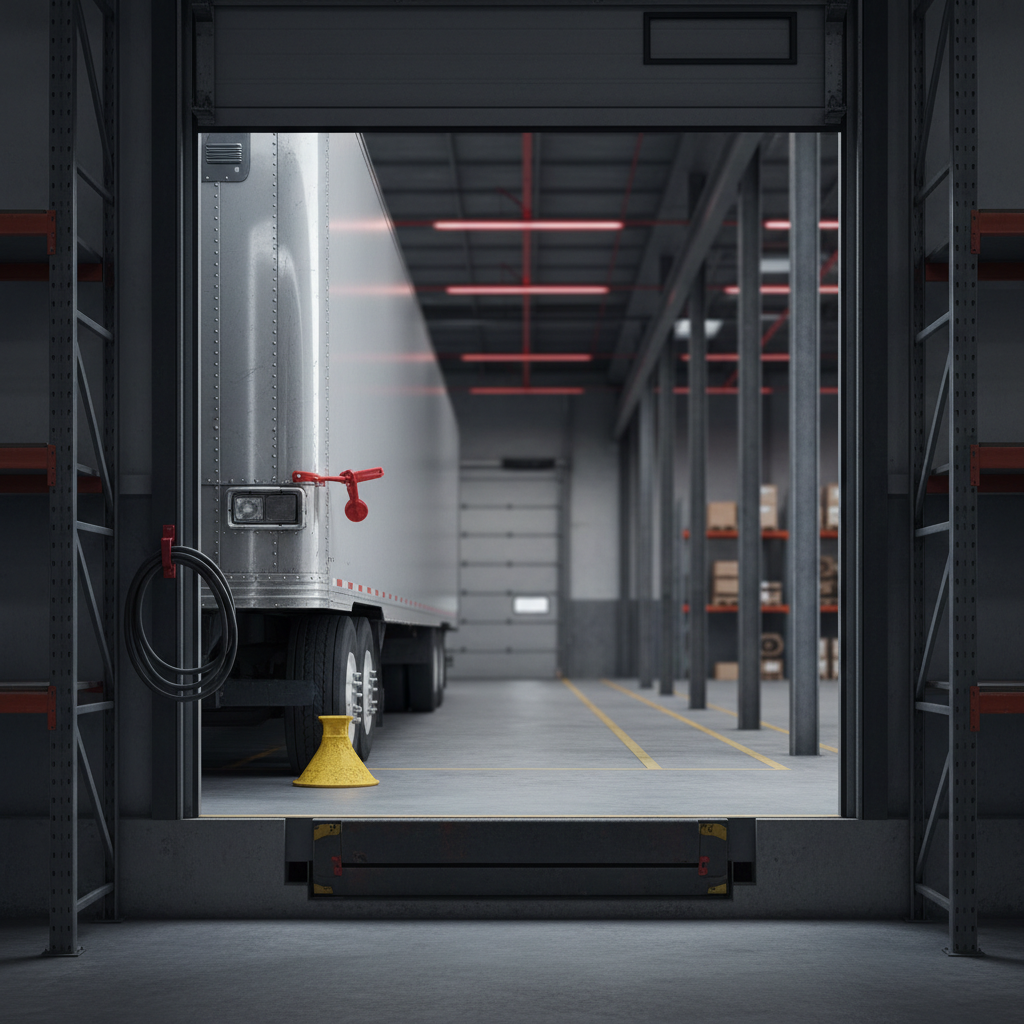
A glad hand lock clamps over the emergency gladhand and seals its face, so a tractor hose has nothing to connect to. The body is cast steel, aluminum or molded plastic depending on the job.
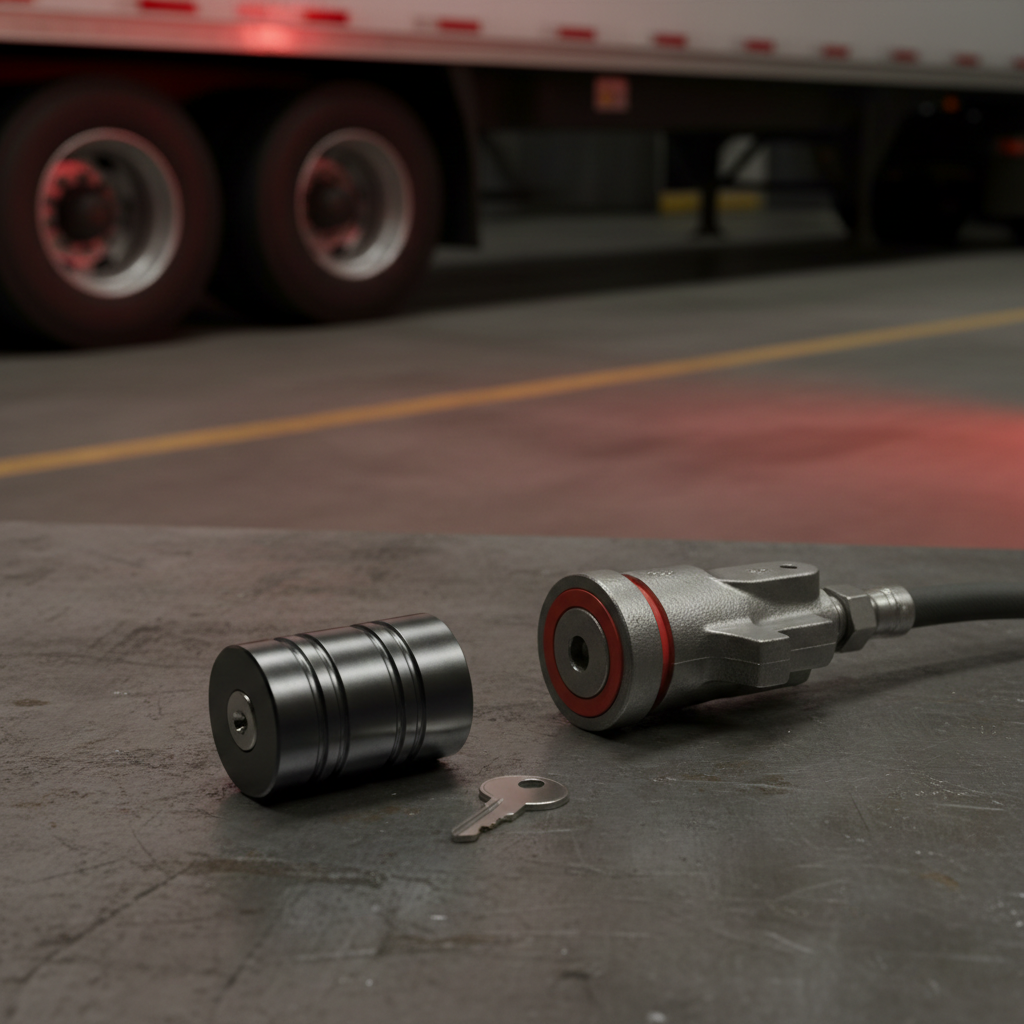
The key
Only the keyholder can remove the lock. That is what turns a simple cover into a control point: the dock, the yard or the consignee decides when the trailer can move.
Lock types
Four kinds of glad hand lock, four different jobs
Cast steel and cast iron locks
The security choice. A heavy cast body with a hardened cylinder takes a beating on the yard and resists hammering, prying and cutting far longer than lighter designs. Common on dropped trailers and loaded equipment left overnight.
Toughest body for theft deterrence on drop yards.
Powder coat in high-visibility colours so a locked trailer is obvious.
Heavier to carry, so best where locks stay on for long periods.
Machined aluminum locks
A middle path. Aluminum keeps weight down for drivers and yard staff who fit and remove locks all day, and it will not rust. Good for fleets that want real security without a heavy lock in every cab.
Light enough to carry in the cab or on a yard truck.
Corrosion resistant in salt, rain and washdown.
Available keyed alike or keyed different.
Molded plastic dock locks
Built for the loading dock rather than the drop yard. Low-cost, bright and light, plastic locks are about control, not resisting a determined thief: they make sure no one pulls a trailer away while it is being worked.
Affordable enough to stock one at every dock door.
Keyed alike so any supervisor can fit or remove them.
Colour coding makes a locked trailer visible from the cab.
High-security and dual-coupler designs
For high-value loads and long-term storage, some locks shroud the shackle, use high-security cylinders or cover both gladhands at once. They are often paired with a kingpin lock and a rear door lock as part of a layered trailer security plan.
Shrouded bodies leave little for bolt cutters to grab.
Registered or restricted keyways for key control.
Pairs with kingpin and door locks for layered security.
Applications
Where glad hand locks earn their keep
Loading dock safety
The classic dock accident is early departure: a driver pulls away while a forklift is still inside the trailer. Locking the gladhand while the trailer is at the door means the driver physically cannot release the brakes until the dock hands back the key.
Stops early departures while a trailer is being worked.
Works alongside wheel chocks and vehicle restraints.
Gives the dock a clear, visible hand-off step.
Drop yard and trailer security
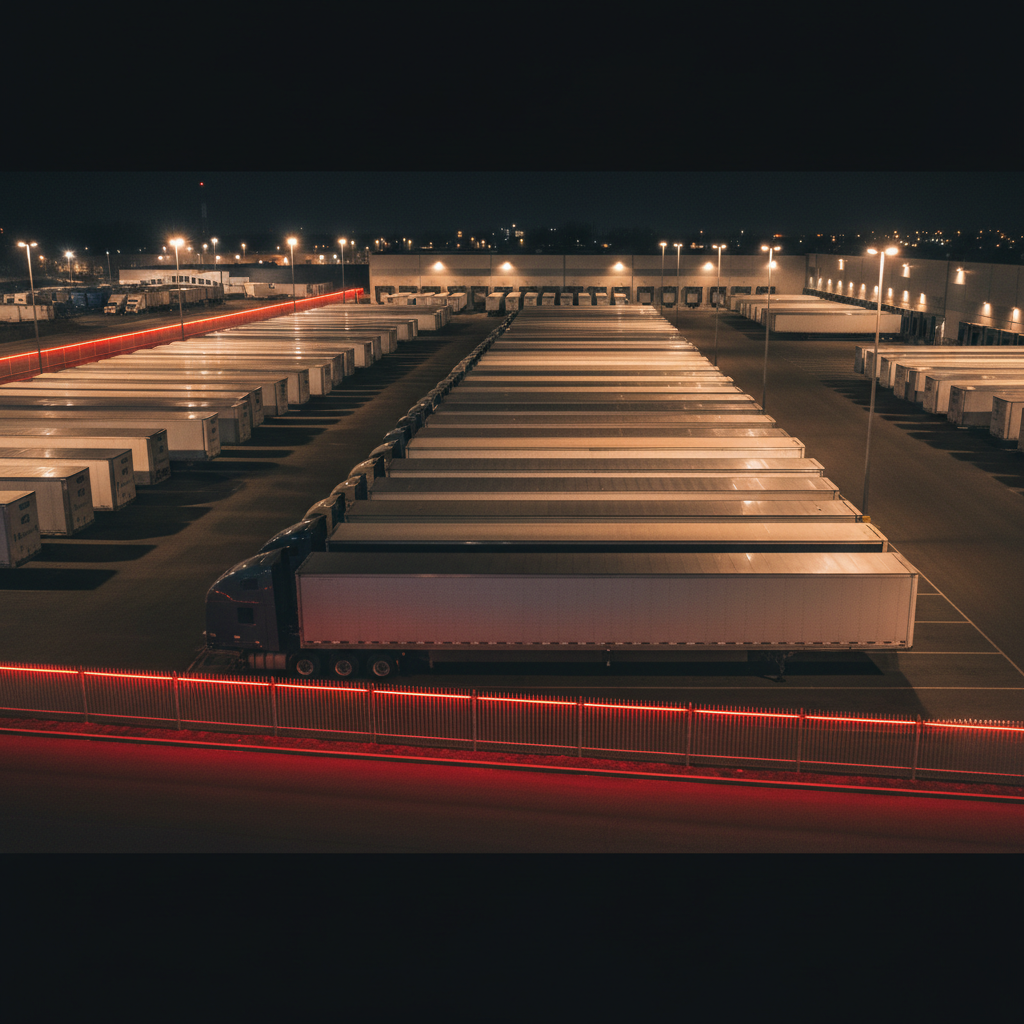
A dropped trailer is exactly what a thief wants: a loaded box with no one around. A glad hand lock means a tractor can back under it but cannot release the brakes, so the trailer goes nowhere quickly or quietly.
Keeps spring brakes locked on unattended trailers.
Fast to fit when dropping a trailer at a customer.
Visible deterrent that makes the next trailer look easier.
Intermodal chassis and containers
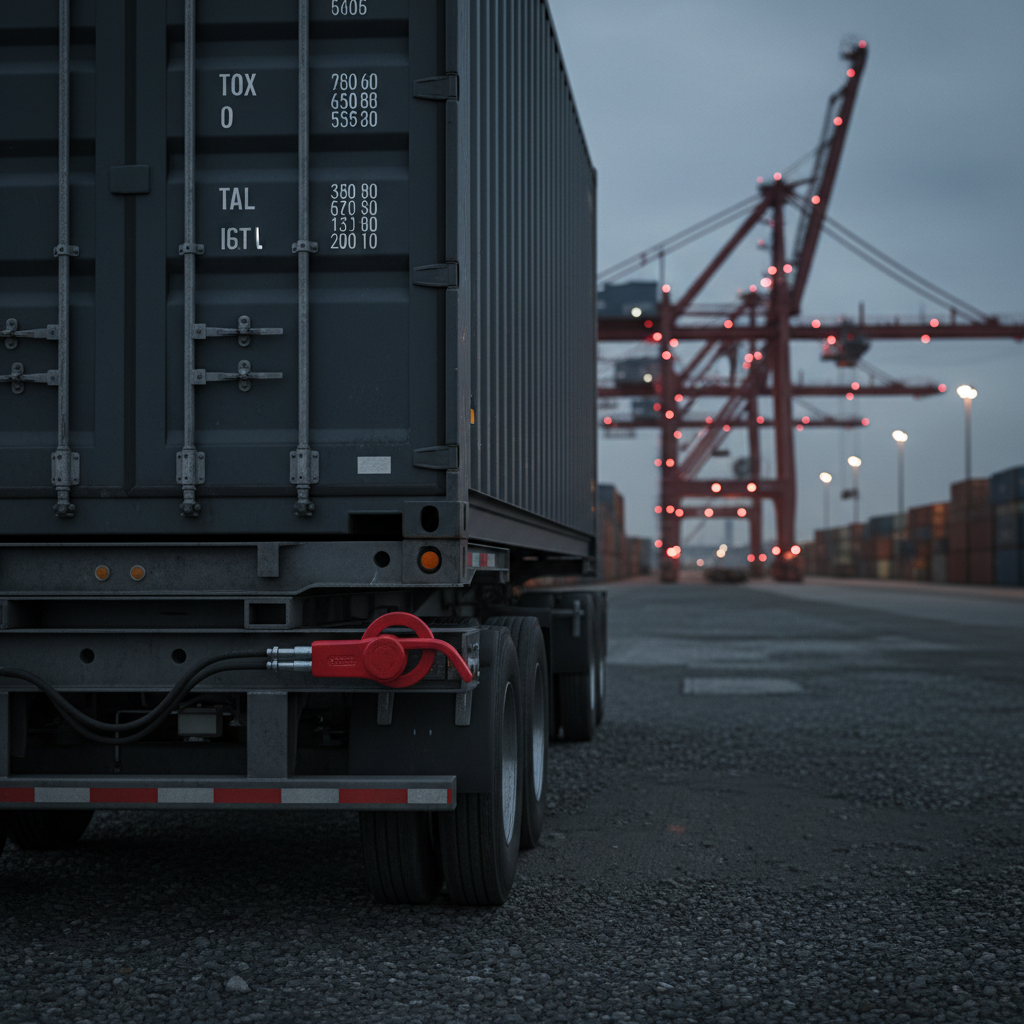
Chassis move between terminals, rail ramps and customer yards with many hands on them. Glad hand locks give terminals and drayage carriers a quick way to hold a loaded chassis until it is released to the right driver.
Holds loaded chassis until release is confirmed.
Fits the standard gladhand used on chassis and trailers.
Keyed-different locks keep release with the right party.
Glad hand vs kingpin
Two trailer locks, two different jobs
Kingpin locks stop a trailer being hooked at all. Glad hand locks let it be hooked but keep the brakes on. Docks lean on glad hand locks because they are fast; high-value parked trailers often get both.
Glad hand lock
Kingpin lock
What it blocks
The air supply. A tractor can couple but cannot release the spring brakes.
The coupling itself. A fifth wheel cannot lock onto the kingpin.
Time to fit
Seconds, standing at the nose of the trailer.
Longer, reaching under the upper coupler plate.
Weight
Light to moderate: plastic, aluminum or cast steel.
Heavy steel, often a significant lift.
Best use
Loading docks, short drops, daily yard control.
Long-term parked or high-value trailers.
Theft resistance
Good with cast steel and high-security cylinders.
Very high, since the trailer cannot even be hooked.
Dock workflow
Easy to stock at every door and fit every time.
Too slow and heavy for every dock turn.
Selection guide
Choosing the right glad hand lock
01
Security or dock control?
Decide the main job first. Drop yard theft calls for cast steel and good cylinders. Dock control calls for light, affordable, keyed-alike locks at every door. Many operations need both.
02
Material
Cast steel or iron for toughness, aluminum for low weight and corrosion resistance, plastic for cost and visibility. Match the material to how long the lock stays on and how often it moves.
03
Keying
Keyed alike for dock teams, keyed different for loads where the key travels with the freight, master-keyed or registered programs for large fleets that need to reorder matching keys.
04
Fit on your equipment
Most locks fit the standard gladhand, but recessed couplers, unusual brackets and specialty trailers exist. Test one lock on your actual trailers and chassis before ordering a fleet quantity.
05
Visibility
A bright lock tells a driver at a glance that the trailer is not released. Red is common for the emergency side; some sites colour-code by door, shift or customer.
06
Weather and wear
Locks live outside. Look for sealed or covered keyways, corrosion-resistant finishes and replacement keys and cylinders you can actually get later.
07
Storage and key control
Plan where locks hang at each door and who holds keys. A lock program fails when locks go missing or keys walk off with a driver.
08
Layering
For high-value or long-term loads, plan the glad hand lock alongside a kingpin lock, a rear door lock and yard controls rather than on its own.
Running a lock program
The lock only works if it is on the trailer
Most failures are not broken locks. They are locks left in a drawer, keys that went home with a driver, or a step skipped on a busy shift. These habits keep a program working.
Make the lock part of the dock procedure
Write it into the check-in step: trailer at the door, brakes set, chocks or restraint engaged, glad hand lock on. Removal is the last step before the driver is released.
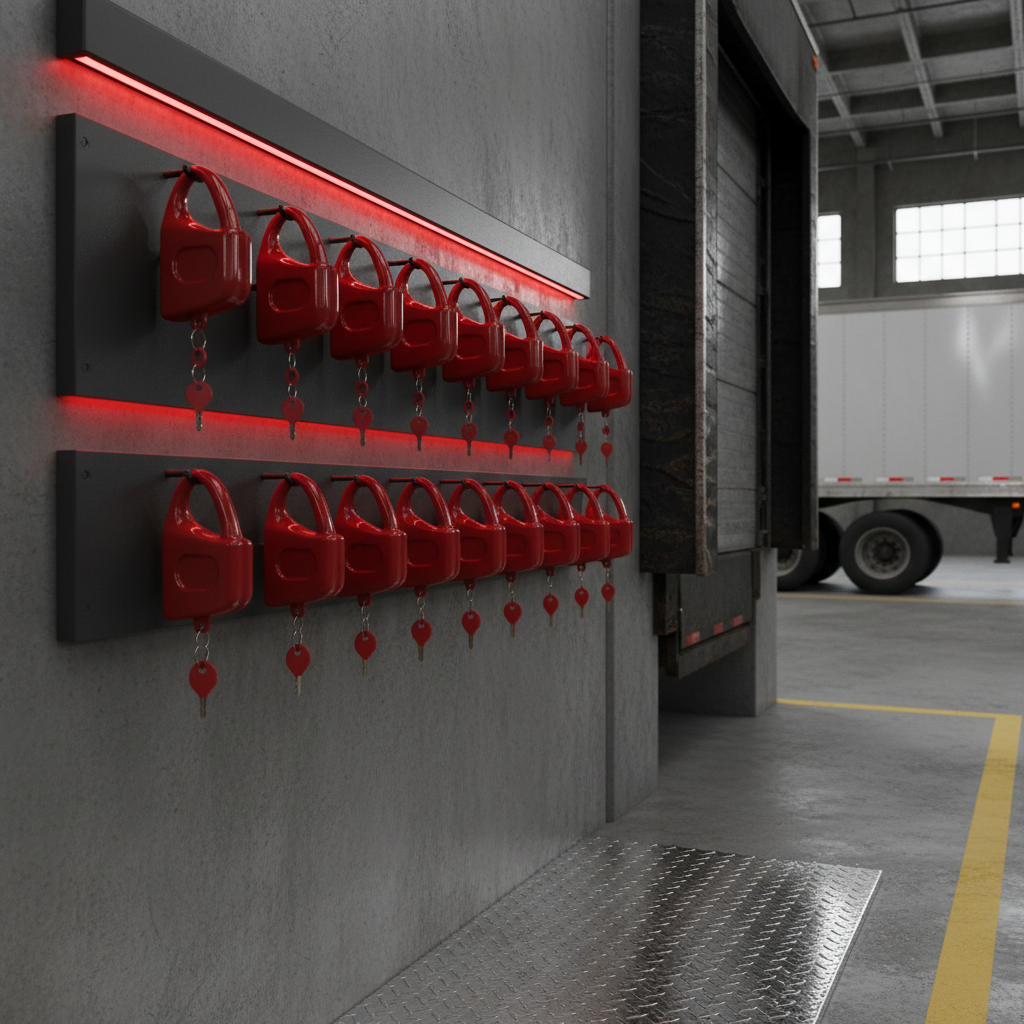
Store locks at the point of use
A holder or rack at each dock door keeps the lock where the procedure needs it. Locks kept in an office drawer are locks that do not get used.
Control the keys
Keep keys with dock supervisors, not drivers. For keyed-different programs, log which key goes with which trailer or load.
Inspect and replace
Check locks for cracked bodies, stiff cylinders and worn seals on a schedule. A lock that is hard to fit gets skipped.
Train every shift
New dock staff and drivers should know what the lock does, who removes it and why a trailer never leaves with one still fitted.
Audit the yard
Walk the drop yard and dock doors. Count trailers that should be locked and are not. It is the quickest measure of whether the program is working.
FAQ
Glad hand lock questions
What is a glad hand lock?
A glad hand lock is a locking cover that fits over the air brake coupler, called a gladhand, on the front of a semi-trailer. With the lock in place a tractor cannot connect its air lines to the trailer, so the trailer's spring brakes stay applied and the trailer cannot be pulled away. It is used for cargo security on dropped trailers and for loading dock safety.
How does a glad hand lock stop a trailer from moving?
Trailer spring brakes are held off by air pressure supplied through the emergency (red) line. When a trailer is parked and disconnected, that air is gone and the spring brakes are set. A glad hand lock blocks the emergency gladhand, so no tractor can charge the trailer's air system and release those brakes. The trailer stays braked until someone with the key removes the lock.
Which gladhand does the lock go on, red or blue?
Most locks are fitted to the emergency (supply) gladhand, which is usually colour-coded red, because that is the line that releases the spring brakes. Some designs cover both couplers, and some fleets lock both as policy. Follow the lock maker's instructions for your trailer's coupler layout.
Is a glad hand lock the same as a kingpin lock?
No. A kingpin lock fits around the trailer's kingpin and stops a tractor's fifth wheel from coupling at all. A glad hand lock lets a tractor couple mechanically but stops it from supplying air, so the brakes will not release. Kingpin locks are heavier and aimed at theft prevention on long-term parked trailers; glad hand locks are quick to fit and are the usual choice at loading docks. Many fleets use both on high-value loads.
Why do loading docks use glad hand locks?
The main dock hazard they address is early departure: a driver pulling away while a forklift is still working inside the trailer. Locking the gladhand while the trailer is at the door means the driver cannot release the brakes until the dock team removes the lock and hands back control. Docks typically combine them with wheel chocks, vehicle restraints and a clear sign-off procedure.
Does OSHA require glad hand locks?
OSHA rules require that trailers be secured against movement while being loaded or unloaded by powered industrial trucks, typically with brakes set and wheel chocks or restraints. They do not name glad hand locks specifically. Many facilities adopt them as part of meeting that requirement and their own dock safety program. Check the current regulation and your safety team's procedures for your site.
What is the difference between keyed alike and keyed different?
Keyed alike locks all open with the same key, which suits a dock team that fits and removes many locks per shift. Keyed different locks each have a unique key, which suits cargo security where the key travels with the load or stays with the consignee. Some suppliers also offer master-keyed and registered-key programs so a fleet can reorder matching keys.
What are glad hand locks made of?
Common options are cast iron or cast steel for maximum toughness, machined aluminum for lower weight and corrosion resistance, and molded plastic for low-cost, colour-coded dock use. Security-focused models add hardened cylinders and shrouds that resist cutting and prying.
Will a glad hand lock fit any trailer?
Most are designed around the standard gladhand coupler used across North American trailers, so a given lock fits the large majority of trailers, container chassis and straight trucks with trailer connections. Unusual coupler brackets, recessed couplers and some specialty trailers can be exceptions, so check fit on your equipment before buying in quantity.
Can a glad hand lock be cut off?
Any lock can be defeated with enough time and tools. Heavier cast steel bodies, shrouded or hidden shackles and high-security cylinders make it slower and noisier, which is the practical goal on a drop yard. For high-value or long-term parked loads, pair the glad hand lock with a kingpin lock and a rear door lock.
How do I store glad hand locks at the dock?
Keep them at the dock door on a wall rack or holder so the lock is always where the procedure needs it, and keep keys under dock supervisor control. A consistent place for locks and keys is what makes a lock program work shift after shift.
Get a quote
Request pricing on glad hand locks
Tell us how many dock doors or trailers you need to cover, the lock material you prefer and whether you want them keyed alike or keyed different. You will get a reply, usually within one business day.
Dock programs, drop yards and fleet quantities
Cast steel, aluminum and plastic options
Keyed alike, keyed different and master-keyed programs